
Hearing Aids 101

Everything You Need to Know About Modern Hearing Aids

If you’re considering hearing aids, you’re not alone, and you’re not late. Millions of people wait years before seeking help, often not realizing how much energy it takes just to keep up with conversations.

The good news? Today’s hearing aids do far more than simply make sounds louder. Modern hearing technology is designed to work with your brain, adapt to your environment, and fit seamlessly into your daily life.

This page breaks down the basics, clearly, honestly, and without pressure.

Hearing Aids 101

3 Surprising Benefits of Hearing Aids

Modern hearing aids are smarter, more personalized, and more powerful than ever before. Here are just a few ways they can improve your life:
noisy environments

1. Better Focus in Noisy Environments

Struggling to follow conversations in restaurants or family gatherings? Many hearing aids now use artificial intelligence to identify speech and reduce background noise, allowing you to focus on the voices that matter most.

No more nodding along or avoiding social situations because it’s too exhausting to listen.

brain health

2. Support for Brain Health

One of the most overlooked effects of hearing loss is cognitive strain. When the brain works overtime trying to interpret sound, it has fewer resources for memory and thinking.

• Research shows that properly fit hearing aids can help:

• Reduce listening fatigue

• Improve focus and clarity

• Support cognitive function over time

• Hearing better helps your brain stay engaged.

Tinnitus Symptoms

3. Relief from Tinnitus Symptoms

If you experience ringing, buzzing, or clicking in your ears, you’re not alone. An estimated 15–33% of people live with tinnitus.

In many cases, hearing aids can help reduce tinnitus symptoms by amplifying external sounds and giving the brain something else to focus on, often making tinnitus less noticeable.

Breaking the Stigma Around Hearing Aids

Gone are the days of bulky, whistling devices that drew unwanted attention. Modern hearing aids are discreet, comfortable, and incredibly effective.

Just a few years ago, fewer than 20% of people who needed hearing aids were wearing them. Today, public perception has shifted dramatically.

Hearing aids are now viewed as:

• A smart health decision
• A lifestyle-enhancing tool
• An extension of everyday technology
• Many devices are nearly invisible, and the benefits are anything but.

Imagine clearly hearing every word on a phone call, or wirelessly streaming sound directly from a theater or TV into your hearing aids. That’s today’s reality.

Choosing the Right Hearing Aid for Your Lifestyle

Hearing aids should enhance your life, not limit it.

Whether you want to catch every line of dialogue in a movie or hear the starting signal at your next sporting event, the right hearing aid depends on how you live.

During your hearing consultation, we’ll consider factors such as:

• Your level of hearing loss
• Daily activities and environments
• Comfort and cosmetic preferences
• Dexterity and ease of use

Below are some of the most common hearing aid styles we may recommend.

Types of Hearing Aids Explained

In-the-Canal (ITC)

Custom-fit hearing aids that sit partly in the ear canal with a small portion visible. Ideal for mild to moderately severe hearing loss and available in colors that blend naturally with your skin.

Invisible-in-Canal (IIC)

Designed to fit deeper in the ear canal for maximum discretion. These custom-made devices are best for less severe hearing loss.

In-the-Ear (ITE)

Custom-made hearing aids that sit in the outer portion of the ear. Easy to adjust and suitable for a wide range of hearing loss levels, including more severe cases.

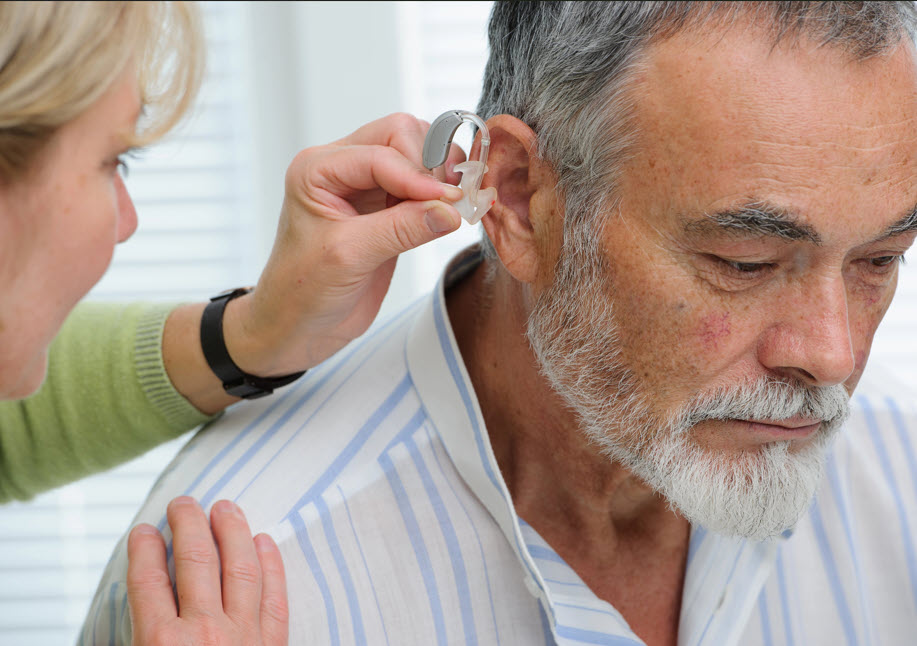
Behind-the-Ear (BTE)

A small case rests behind the ear and delivers sound through a clear tube to an earmold or earbud. These are powerful, reliable, and well-suited for severe hearing loss.

Receiver-in-Canal (RIC)

One of the most popular styles today. The receiver sits in the ear canal and connects via a thin wire, offering discreet appearance and natural sound quality. Ideal for mild to moderate hearing loss.

Extended-Wear Hearing Aids

Soft, small devices placed deep in the ear canal and worn continuously for months at a time. These are not typically recommended for severe hearing loss.

Middle-Ear Implants

An alternative to traditional hearing aids, these systems involve a surgically placed component that moves the bones of the middle ear or stimulates the cochlea. Suitable only for specific cases.

Bluetooth Hearing Aids

Many modern hearing aids can connect wirelessly to smartphones, tablets, and TVs — functioning like high-quality wireless headphones.

We’ll help determine which options are compatible with your devices and lifestyle.

More Than Hearing: Smart Technology Built In

Today’s hearing aids often include features you might not expect, such as:

Bluetooth streaming for calls, music, and TV

Rechargeable batteries

Smartphone app controls

Health and activity tracking (similar to fitness wearables)

For many people, hearing aids feel less like medical devices and more like smart technology — similar to a phone or smartwatch.

Feeling Overwhelmed? You’re Not Alone.

With so many options available, it’s normal to feel unsure about where to start.

That’s why we guide you through:

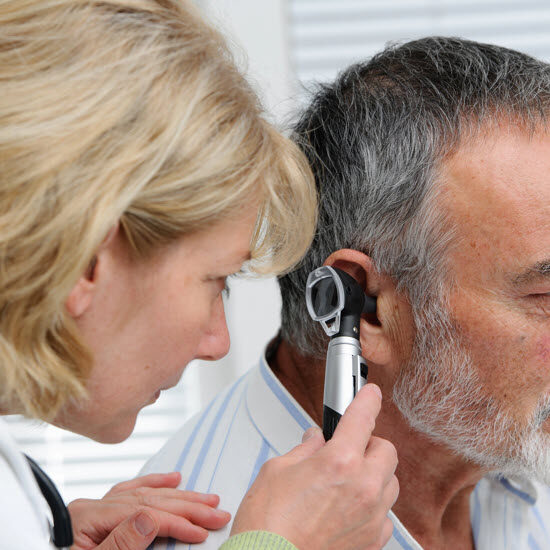
  • A comprehensive hearing evaluation
  • A discussion of your daily listening needs
  • Clear recommendations — no pressure

Our goal is simple: help you find hearing aids that genuinely improve your quality of life.

A Powerful Perspective on Hearing Care

Imagine If We Treated Glasses Like Hearing Aids

This short video offers a powerful comparison that challenges how society views hearing loss and hearing aids.

hearing tests near me

Make an Appointment!

Ready to take the next step? Call or text us today to schedule your FREE Hearing Evaluation and start enjoying clearer, more confident communication.

Name(Required)
Please let us know we may help you with!