
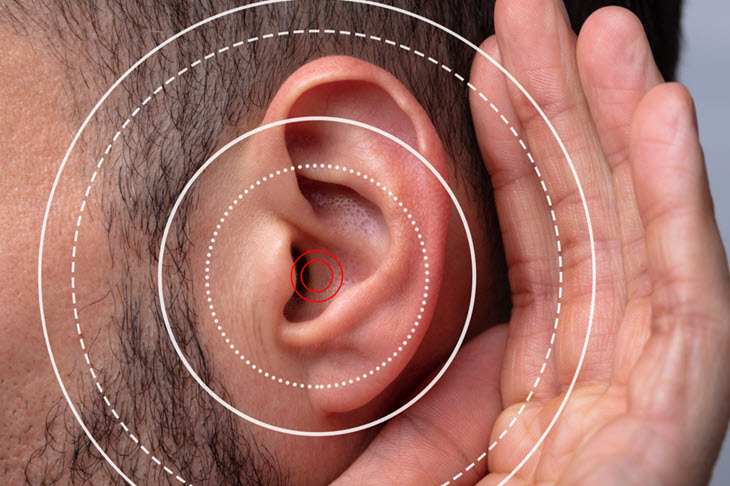
Hearing Loss Is More Common Than You Think
More than 48 million Americans of all ages experience hearing loss, including one in six baby boomers. Yet many people delay seeking help for years.
Hearing loss doesn’t always happen suddenly. In most cases, it develops gradually, making it easy to ignore until it starts affecting your daily life.
Sensorineural Hearing Loss
This type occurs when the tiny hair cells inside the cochlea are damaged. It’s commonly caused by aging, illness, genetics, or long-term noise exposure.
-
Usually permanent
-
Most often treated with hearing aids or hearing technology
Conductive Hearing Loss
Conductive hearing loss happens when sound is blocked from traveling properly through the ear canal or middle ear.
Common causes include:
-
Earwax buildup
-
Fluid behind the eardrum
-
Ear infections
-
Eardrum damage or growths
Some conductive hearing loss is temporary and may be treatable medically.
Mixed Hearing Loss
Mixed hearing loss is a combination of both sensorineural and conductive hearing loss, requiring a more customized treatment approach.

Do You or a Loved One Have Hearing Loss?
Take Our Online Hearing Quiz
If any of these sound familiar, hearing loss may be present:
→ Other people seem to mumble
→ You frequently ask others to repeat themselves
→ Background noise makes conversations difficult
→ You avoid social situations
→ Friends or family say the TV is too loud
→ You hear ringing or buzzing in your ears
→ One ear hears better than the other
→ Loved ones have suggested a hearing problem
How Hearing Loss Treatment Can Help
The more you hear, the more you stimulate and exercise your brain. Treating hearing loss can help you:
-
Regain confidence
-
Improve communication
-
Reduce listening fatigue
-
Re-engage socially
-
Enjoy daily activities again
A professional hearing evaluation allows us to determine:
-
Whether hearing loss is present
-
How extensive it is
-
Which solutions may work best
If hearing aids are recommended, we help you choose options that:
-
Match your level of hearing loss
-
Complement your lifestyle
Take the First Step Toward Better Hearing
You don’t have to live life at a lower volume.
Whether you’re noticing early signs or have struggled with hearing loss for years, help is available, and it starts with understanding your hearing.
Schedule a hearing evaluation with Hear For Life today and take the first step toward clearer, more confident living.